
The Mistake Both Sides Make First
Here's how this argument usually starts: one of you notices the electric bill creeping up, glances at the garage, and says "it's probably that door, it's drafty." The other rolls their eyes and says "it's a garage, not a bedroom, who cares if it's a little leaky."
That second reaction is tempting because it sounds logical. The garage isn't air conditioned. There's no thermostat out there. Why would a gap around the door matter to the house's energy bill?
The mistake is treating the garage like it's sealed off from the rest of the house. In an attached garage, it almost never is. You share at least one wall, often a ceiling, sometimes the HVAC closet or ductwork itself runs right through that space. A leaky garage door doesn't just let outside air into the garage — it changes the temperature of a space that's touching your living area, and in some layouts, a space your cooling system runs through.
Why This Matters More in a Gulf Breeze Garage Than It Would Up North
During the summer stretch, an unsealed attached garage can sit noticeably hotter than the outside air, especially by mid-afternoon after direct sun and humidity build up. That heat doesn't stay put. It radiates through the shared wall, warms the air near any ductwork or AC equipment stored in the garage, and makes your system work harder to hold the living room at a comfortable temperature.
Humidity adds a second cost. Moist air sneaking in around a bad seal doesn't just feel sticky — it makes your AC run longer because the system is pulling moisture out of the air, not just cooling it. A door that seals properly keeps more of that humid outside air where it belongs: outside.
Winter is a smaller factor here since Gulf Breeze doesn't get brutal cold, but on the handful of chilly nights each year, the same leaks let warm air drift out of a garage that's heated by proximity to the house, which again shows up as your system cycling more than it should.
Where the Leaks Actually Come From
This is the part that settles the argument, because you can go check it yourself:
- Cracked or flattened bottom seal — the rubber gasket along the bottom of the door hardens and splits after a few years of heat and UV exposure. Once it's compressed flat or cracked, daylight shows underneath.
- Gaps at the corners — concrete slabs settle slightly over time, and older doors don't always get re-adjusted to match. A gap the width of a pencil at each bottom corner adds up over a 16-foot-wide door.
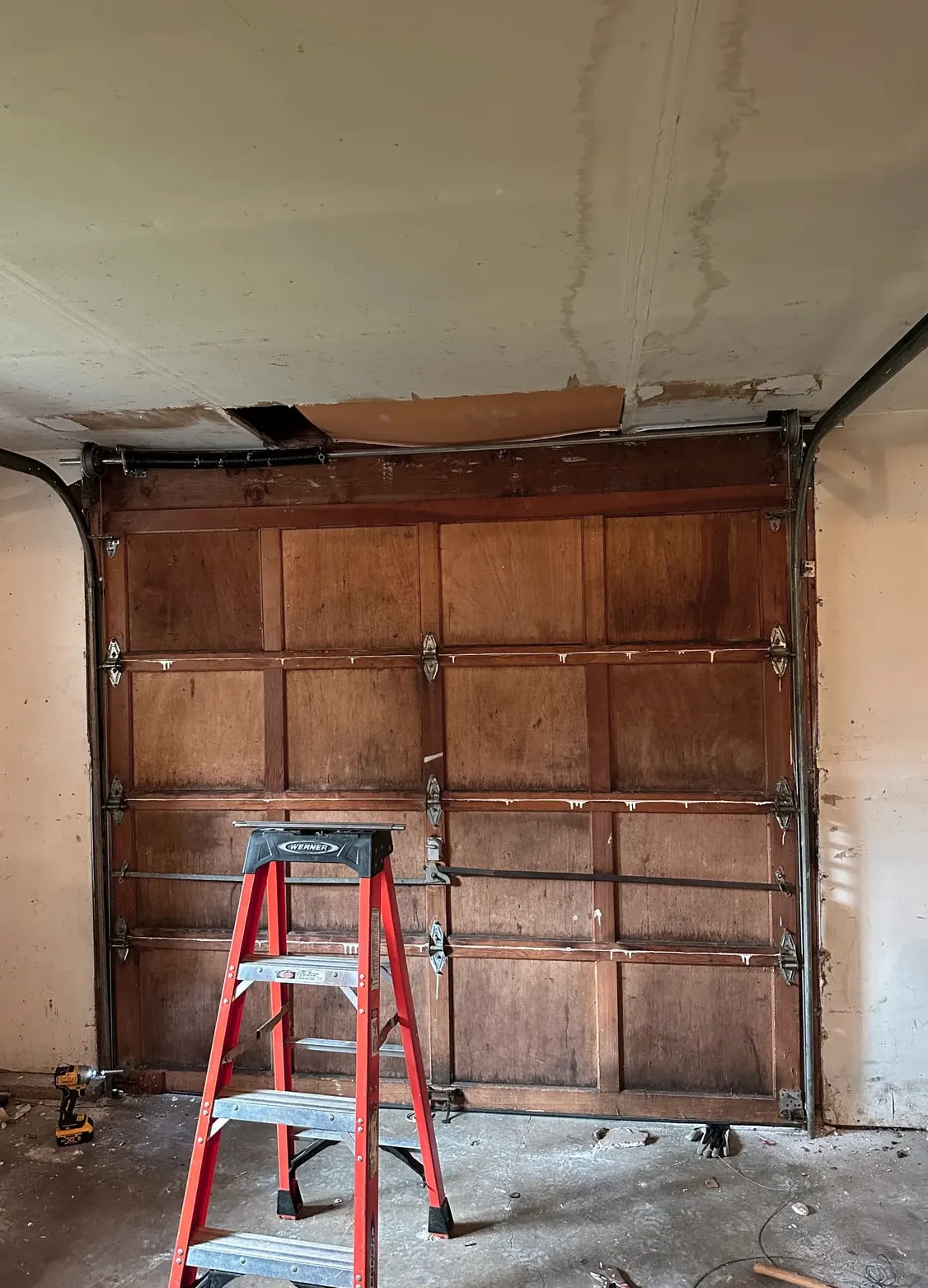
- Warped or swollen panels — humidity and salt air along the coast cause wood panels to swell and steel panels to rust at the seams, both of which break the seal between sections.
- Worn side and top weatherstripping — the vinyl strip along the door frame dries out and shrinks, pulling away from the panel surface.
- An uninsulated door — many older steel doors are a single layer of metal with no foam core. Even with perfect seals, the door itself transfers heat straight through.
How to Check It Tonight
- Close the door at night and have someone stand inside the garage with the lights off. Daylight or streetlight visible around the edges means air is getting through.
- Run your hand along the bottom seal and side weatherstripping. If it's hard, cracked, or doesn't spring back when pressed, it's done.
- Look at the corners from outside during the day. Gaps you can slide a finger into are letting in more than you'd think.
- Check the door's label or installation paperwork for an R-value. No insulation listed usually means none exists.
Who Wins the Argument
If your garage shares a wall or ceiling with living space, stores HVAC equipment, or runs ductwork through it, the spouse who blamed the garage door is right — and it's worth fixing, not just for comfort but because a hot, humid garage also shortens the life of anything stored out there, including the opener and any freezers or storage boxes.
If the garage is fully detached and has zero shared walls with air-conditioned space, the effect on your bill is much smaller, and the other spouse has a point about priorities.
For most attached garages in this area, though, the connection is real enough to matter on the bill, even if it's not the single biggest line item in the house.
When to Call Precision Garage Door of Gulf Breeze
If you found cracked seals, visible gaps, or a door with no insulation during your check, that's a straightforward fix. Our Garage Door Maintenance & Tune-Up service covers seal replacement, corner gap correction, and hardware adjustment so the door actually closes flush against the frame. If the panels themselves are warped, rusted, or damaged beyond a simple seal swap, Garage Door Panel Replacement or, for older uninsulated doors, a full New Garage Door Installation with a wind-rated, insulated model solves both the energy loss and the storm-readiness question at once.
If you're in Gulf Breeze, Pensacola, Pensacola Beach, Navarre, Milton, Pace, Tiger Point, or Midway and you're ready to settle this one for good, call Precision Garage Door of Gulf Breeze. We'll check the seals, the balance, and the insulation, and tell you straight whether you need a tune-up or a new door.